If you’ve ever wondered who keeps the digital backbone of a company running smoothly, meet the systems manager — the unsung hero of modern IT infrastructure. This role blends technical mastery with leadership, ensuring systems are secure, efficient, and aligned with business goals.
What Is a Systems Manager?

A systems manager is a critical IT professional responsible for overseeing the design, implementation, and maintenance of computer systems within an organization. This role acts as the bridge between technical operations and strategic business objectives, ensuring that hardware, software, networks, and data centers function seamlessly.




Core Definition and Scope
The term systems manager can vary slightly depending on the industry, but at its core, it refers to someone who manages the technological infrastructure that supports business operations. According to the U.S. Bureau of Labor Statistics, these professionals often work closely with network architects and IT directors to ensure system reliability and scalability.
systems manager – Systems manager menjadi aspek penting yang dibahas di sini.
- Responsible for both on-premise and cloud-based systems
- Manages system performance, security, and integration
- Works across departments to align IT with business needs
“A systems manager isn’t just a tech expert — they’re a strategic thinker who ensures technology drives business value.” — TechTarget, 2023
Evolution of the Role
The role of a systems manager has evolved significantly over the past two decades. In the early 2000s, the focus was primarily on maintaining servers and local networks. Today, with the rise of cloud computing, AI integration, and remote work, systems managers must be agile, security-conscious, and forward-thinking.
- Shift from physical server rooms to hybrid cloud environments
- Increased focus on cybersecurity and compliance
- Greater involvement in digital transformation initiatives
Key Responsibilities of a Systems Manager
The day-to-day duties of a systems manager are diverse and demanding. They must balance technical troubleshooting with long-term planning, making them one of the most versatile roles in IT.
System Design and Implementation
One of the primary tasks of a systems manager is designing and deploying IT systems that meet organizational needs. This includes selecting appropriate hardware and software, configuring networks, and ensuring compatibility across platforms.
systems manager – Systems manager menjadi aspek penting yang dibahas di sini.
- Conducts needs assessments to determine system requirements
- Oversees the installation of new systems and upgrades
- Ensures scalability and future-proofing of infrastructure
For example, when a company migrates from on-site servers to AWS or Microsoft Azure, the systems manager leads the transition, ensuring minimal downtime and data integrity. Resources like AWS’s Well-Architected Framework are often used as guidelines during such projects.
Performance Monitoring and Optimization
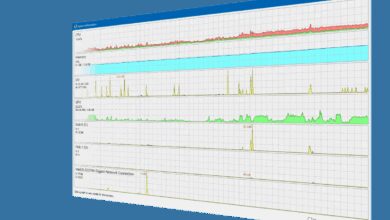
A systems manager continuously monitors system performance using tools like Nagios, SolarWinds, or Datadog. They analyze metrics such as CPU usage, memory consumption, network latency, and disk I/O to identify bottlenecks and optimize efficiency.
- Implements real-time monitoring dashboards
- Conducts regular system audits and health checks
- Optimizes resource allocation to reduce costs
“Proactive monitoring can reduce system downtime by up to 70%.” — Gartner, 2022
By leveraging automation scripts and AI-driven analytics, modern systems managers can predict failures before they occur, significantly improving uptime and user satisfaction.
systems manager – Systems manager menjadi aspek penting yang dibahas di sini.
Systems Manager vs. IT Manager: What’s the Difference?
While the titles are sometimes used interchangeably, there are distinct differences between a systems manager and an IT manager. Understanding these distinctions is crucial for organizations building their tech teams.
Scope of Responsibility
A systems manager typically focuses on the technical infrastructure — servers, networks, operating systems, and databases. In contrast, an IT manager has a broader scope, overseeing personnel, budgets, vendor contracts, and overall IT strategy.
- Systems manager: Deep technical expertise, hands-on with systems
- IT manager: Leadership-focused, manages teams and projects
- Overlap occurs in mid-sized companies where one person may wear both hats
Career Path and Reporting Structure
In larger organizations, a systems manager often reports to the IT manager or CIO. Their career path may lead to roles such as Senior Systems Architect, Cloud Solutions Manager, or Director of Infrastructure.
systems manager – Systems manager menjadi aspek penting yang dibahas di sini.
- Entry-level: System Administrator
- Mid-level: Systems Manager
- Senior-level: Infrastructure Lead or IT Director
According to LinkedIn Salary Insights, systems managers earn an average of $95,000 annually in the U.S., with senior roles exceeding $130,000.
Essential Skills for a Successful Systems Manager
To excel in this role, a systems manager must possess a unique blend of technical, analytical, and interpersonal skills. The modern IT landscape demands more than just coding or server knowledge — it requires strategic thinking and adaptability.
Technical Proficiency
A systems manager must be fluent in multiple operating systems (Windows, Linux, Unix), networking protocols (TCP/IP, DNS, DHCP), and virtualization technologies (VMware, Hyper-V).
systems manager – Systems manager menjadi aspek penting yang dibahas di sini.
- Mastery of scripting languages like Python, Bash, or PowerShell
- Experience with containerization (Docker, Kubernetes)
- Familiarity with cloud platforms (AWS, Azure, Google Cloud)
For instance, automating routine tasks using PowerShell scripts can save hundreds of hours annually. Platforms like Coursera’s IT Automation course offer excellent training for these skills.
Problem-Solving and Analytical Thinking
When a critical system goes down, the systems manager is often the first responder. They must quickly diagnose issues, assess impact, and implement solutions under pressure.
- Uses root cause analysis (RCA) to prevent recurring problems
- Applies data-driven decision-making to optimize performance
- Thinks several steps ahead to anticipate risks
“The best systems managers don’t just fix problems — they prevent them.” — MIT Technology Review
How Systems Managers Ensure Cybersecurity
In an era of rising cyber threats, the systems manager plays a pivotal role in safeguarding organizational data. They are responsible for implementing security policies, managing access controls, and responding to incidents.
systems manager – Systems manager menjadi aspek penting yang dibahas di sini.
Implementing Security Protocols
A systems manager configures firewalls, intrusion detection systems (IDS), and endpoint protection tools to create a layered defense strategy.
- Deploys multi-factor authentication (MFA) across systems
- Enforces regular patch management and software updates
- Conducts vulnerability assessments and penetration testing
Following frameworks like NIST or ISO 27001 helps standardize security practices. The NIST Cybersecurity Framework is widely adopted for its comprehensive approach to risk management.
Disaster Recovery and Business Continuity
No system is immune to failure. A systems manager develops and tests disaster recovery plans (DRP) to ensure rapid restoration of services after an outage or breach.
systems manager – Systems manager menjadi aspek penting yang dibahas di sini.
- Creates regular data backups (on-site and off-site)
- Defines recovery time objectives (RTO) and recovery point objectives (RPO)
- Conducts simulated disaster drills annually
For example, during the 2021 ransomware attacks on major corporations, companies with robust DRPs led by skilled systems managers recovered significantly faster than those without.
The Role of Systems Managers in Cloud Computing
As more businesses migrate to the cloud, the role of the systems manager has shifted from managing physical servers to orchestrating virtual environments across multiple platforms.
Managing Hybrid and Multi-Cloud Environments
Modern organizations often use a mix of public clouds (AWS, Azure), private clouds, and on-premise systems. The systems manager ensures seamless integration and performance across these environments.
systems manager – Systems manager menjadi aspek penting yang dibahas di sini.
- Uses tools like Terraform or Ansible for infrastructure as code (IaC)
- Monitors cross-platform performance and cost efficiency
- Ensures compliance with data sovereignty laws
According to a 2023 IBM report, 85% of enterprises now use a multi-cloud strategy, making this expertise essential.
Cost Optimization in the Cloud
One of the biggest challenges in cloud computing is cost control. Systems managers analyze usage patterns and implement auto-scaling, reserved instances, and serverless architectures to reduce expenses.
- Identifies and eliminates idle or underutilized resources
- Implements tagging strategies for cost allocation
- Negotiates with cloud providers for better pricing tiers
“Poor cloud cost management can lead to 35% overspending annually.” — Flexera 2023 Cloud Report
Future Trends Shaping the Systems Manager Role
The future of the systems manager is being reshaped by emerging technologies and evolving business models. Staying ahead of these trends is crucial for long-term success.
systems manager – Systems manager menjadi aspek penting yang dibahas di sini.
Artificial Intelligence and Automation
AI-powered tools are transforming how systems are monitored and maintained. Predictive analytics can forecast hardware failures, while AI chatbots assist in user support.
- AI-driven anomaly detection in network traffic
- Automated patch deployment using machine learning
- Self-healing systems that respond to issues without human intervention
For example, Google’s SRE (Site Reliability Engineering) model uses AI extensively to maintain system reliability at scale.
Remote Work and Decentralized IT
The rise of remote work has decentralized IT infrastructure. Systems managers now support a distributed workforce using virtual desktops, zero-trust security models, and secure remote access solutions.
systems manager – Systems manager menjadi aspek penting yang dibahas di sini.
- Implements Zero Trust Architecture (ZTA) principles
- Manages endpoint security for personal and company devices
- Ensures consistent performance across global locations
The shift to remote work has made the systems manager’s role more strategic than ever, requiring them to balance security, usability, and scalability.
What does a systems manager do?
A systems manager oversees the design, implementation, and maintenance of an organization’s IT infrastructure. This includes managing servers, networks, cloud environments, cybersecurity, and system performance to ensure seamless business operations.
systems manager – Systems manager menjadi aspek penting yang dibahas di sini.
How do I become a systems manager?
To become a systems manager, earn a degree in computer science or IT, gain experience as a system administrator, and develop skills in networking, cloud platforms, and security. Certifications like CompTIA Network+, CCNA, or AWS Certified Solutions Architect can boost your credentials.
Is a systems manager the same as a network administrator?
systems manager – Systems manager menjadi aspek penting yang dibahas di sini.
No, while both roles involve IT infrastructure, a network administrator focuses primarily on network connectivity and performance, whereas a systems manager has a broader scope, including servers, operating systems, storage, and integration with business goals.
What tools do systems managers use?
Common tools include monitoring platforms like Nagios or SolarWinds, cloud management tools like AWS Console or Azure Portal, automation tools like Ansible or Puppet, and security tools like SIEM (e.g., Splunk) and firewalls.
systems manager – Systems manager menjadi aspek penting yang dibahas di sini.
What is the salary of a systems manager?
In the United States, the average salary for a systems manager is around $95,000 per year, with senior roles exceeding $130,000. Salaries vary based on location, industry, and level of experience.
The role of a systems manager is more vital than ever in today’s digital-first world. From ensuring system reliability and security to driving cloud adoption and digital transformation, they are the backbone of modern IT operations. As technology continues to evolve, so too will the responsibilities and impact of the systems manager. Whether you’re aspiring to become one or looking to hire a skilled professional, understanding this role’s depth and breadth is essential for success in the tech-driven future.
systems manager – Systems manager menjadi aspek penting yang dibahas di sini.
Further Reading: