Ever wondered how complex software systems come to life? System development is the backbone of modern technology, turning ideas into functional digital realities. From banking apps to smart home devices, it all starts with a well-structured system development process. Let’s dive into the ultimate guide that breaks down everything you need to know.
What Is System Development and Why It Matters

System development refers to the comprehensive process of creating, designing, deploying, and maintaining information systems that meet specific user needs. It’s not just about writing code—it’s a full lifecycle approach that integrates planning, analysis, design, implementation, and maintenance. This process is critical in today’s digital-first world, where businesses rely heavily on technology to operate efficiently.




The Core Definition of System Development
At its heart, system development is a structured methodology used to build information systems that solve real-world problems. It involves a series of phases that guide developers from concept to deployment. According to the IEEE Computer Society, system development encompasses both technical and managerial activities aimed at delivering reliable, scalable, and secure software solutions.
- It includes requirements gathering, system design, coding, testing, and deployment.
- It applies to various domains: enterprise software, mobile apps, cloud platforms, and embedded systems.
- It ensures alignment between business goals and technological capabilities.
Why System Development Is Crucial in Modern Business
In an era driven by digital transformation, system development enables organizations to innovate, scale, and stay competitive. Companies like Amazon, Netflix, and Tesla owe their success to robust system development practices that allow rapid iteration and deployment of new features.
“The best way to predict the future is to invent it.” – Alan Kay. This quote perfectly captures the essence of system development as a proactive force shaping technological progress.
Without effective system development, businesses risk inefficiency, security vulnerabilities, and failure to meet customer expectations. For example, a poorly developed inventory management system can lead to stockouts, overstocking, and lost revenue.
The 7 Phases of System Development Life Cycle (SDLC)
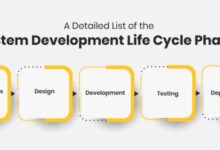
The System Development Life Cycle (SDLC) is a proven framework used to manage the creation of software systems. It provides a structured path from initial concept to final deployment and maintenance. Each phase builds upon the previous one, ensuring clarity, accountability, and quality control throughout the process.
1. Planning and Feasibility Analysis
This is the foundation of any successful system development project. During this phase, stakeholders identify the problem, define objectives, and assess whether the project is technically, economically, and operationally feasible.
- Conduct cost-benefit analysis to evaluate financial viability.
- Identify potential risks and mitigation strategies.
- Define project scope, timeline, and resource requirements.
A well-documented feasibility study prevents costly mistakes later. For instance, a healthcare app might require HIPAA compliance, which must be factored in early to avoid legal issues.
2. Requirements Gathering and Analysis
This phase focuses on understanding what users need from the system. Developers work closely with stakeholders—clients, end-users, and domain experts—to collect detailed functional and non-functional requirements.
- Use techniques like interviews, surveys, and use case modeling.
- Differentiate between must-have (critical) and nice-to-have (optional) features.
- Create a Software Requirements Specification (SRS) document.
The SRS becomes the blueprint for the entire system development effort. A misstep here can lead to a product that doesn’t meet user expectations, no matter how well it’s coded.
3. System Design
Once requirements are clear, the next step is designing the system architecture. This phase translates user needs into technical specifications, defining how the system will work.
- Create high-level architecture diagrams (e.g., UML, ERD).
- Define data models, APIs, user interfaces, and security protocols.
- Choose appropriate technologies (programming languages, databases, frameworks).
For example, a banking system might use a microservices architecture for scalability and fault tolerance. Tools like Lucidchart help visualize complex system designs before coding begins.
4. Implementation (Coding)
This is where the actual system development takes shape. Developers write code based on the design specifications, building modules that will eventually form the complete system.
- Follow coding standards and best practices (e.g., DRY, KISS).
- Use version control systems like Git for collaboration.
- Integrate third-party libraries and APIs as needed.
Agile teams often break implementation into sprints, delivering incremental features. For instance, a team might first build user authentication, then move to dashboard functionality.
5. Testing
No system development is complete without rigorous testing. This phase ensures the software works as intended, is free of bugs, and meets performance standards.
- Perform unit testing, integration testing, system testing, and user acceptance testing (UAT).
- Use automated testing tools like Selenium or JUnit.
- Test for security vulnerabilities (e.g., SQL injection, XSS).
A single uncaught bug in a financial transaction system could result in massive losses. That’s why testing is non-negotiable in professional system development.
6. Deployment
After successful testing, the system is deployed to the production environment. This can be done gradually (phased rollout) or all at once (big bang), depending on risk tolerance.
- Prepare deployment scripts and rollback plans.
- Train end-users and support staff.
- Monitor system performance post-launch.
Continuous deployment pipelines, powered by tools like Jenkins or GitHub Actions, automate this process, reducing human error and speeding up delivery.
7. Maintenance and Evolution
System development doesn’t end at launch. Most software requires ongoing maintenance to fix bugs, improve performance, and add new features.
- Address user feedback and reported issues.
- Apply security patches and update dependencies.
- Scale the system to handle growing user demand.
For example, WhatsApp continuously updates its app to support new devices, enhance privacy, and introduce features like status updates or payments.
Popular System Development Methodologies Compared
Choosing the right methodology is crucial for the success of any system development project. Different approaches suit different types of projects, team sizes, and business environments.
Waterfall Model: Linear and Structured
The Waterfall model is one of the oldest and most traditional approaches to system development. It follows a sequential flow where each phase must be completed before the next begins.
- Ideal for projects with well-defined requirements (e.g., government systems).
- Easy to manage due to rigid structure and clear milestones.
- Poor flexibility—changes are costly and difficult to implement mid-project.
While outdated for fast-moving industries, the Waterfall model is still used in aerospace and defense sectors where documentation and compliance are paramount.
Agile: Flexible and Iterative
Agile is the most popular system development methodology today. It emphasizes collaboration, customer feedback, and small, rapid releases.
- Breaks projects into sprints (usually 2-4 weeks).
- Encourages continuous improvement and adaptability.
- Highly effective for startups and dynamic markets.
According to the State of Agile Report, over 90% of organizations practice Agile in some form. Scrum and Kanban are two widely used Agile frameworks.
DevOps: Bridging Development and Operations
DevOps extends Agile principles by integrating development and IT operations. It focuses on automation, continuous integration, and continuous delivery (CI/CD).
- Reduces time between code commit and production deployment.
- Improves system reliability and monitoring.
- Enables faster response to market changes.
Companies like Netflix use DevOps to deploy thousands of times per day, ensuring rapid innovation without sacrificing stability.
Key Roles in System Development Teams
A successful system development project relies on a diverse team of professionals, each contributing specialized skills. Understanding these roles helps in building effective collaboration and accountability.
Project Manager
The project manager oversees the entire system development lifecycle. They are responsible for planning, scheduling, budgeting, and ensuring the project stays on track.
- Coordinates between stakeholders and technical teams.
- Manages risks and resolves conflicts.
- Uses tools like Jira or Trello for task tracking.
A skilled project manager can make the difference between a delayed project and one delivered on time and within budget.
Systems Analyst
The systems analyst acts as a bridge between business needs and technical solutions. They analyze current processes and recommend improvements through technology.
- Conducts requirement analysis and process modeling.
- Translates business problems into technical specifications.
- Ensures the final system meets organizational goals.
For example, a systems analyst might identify inefficiencies in a manual payroll process and propose an automated HR system.
Software Developers and Engineers
These are the builders of the system. They write code, develop algorithms, and integrate components to create functional software.
- Front-end developers focus on user interfaces (HTML, CSS, JavaScript).
- Back-end developers handle server logic, databases, and APIs (Python, Java, Node.js).
- Full-stack developers work on both sides.
Modern system development often involves collaborative coding using platforms like GitHub, where code reviews and pair programming enhance quality.
Tools and Technologies Powering System Development
The right tools can dramatically improve efficiency, collaboration, and quality in system development. From design to deployment, technology plays a central role.
Integrated Development Environments (IDEs)
IDEs provide a comprehensive workspace for coding, debugging, and testing. Popular options include Visual Studio Code, IntelliJ IDEA, and Eclipse.
- Offer syntax highlighting, auto-completion, and error detection.
- Support multiple programming languages and plugins.
- Integrate with version control and cloud services.
For example, VS Code has become a favorite among developers due to its lightweight design and rich extension ecosystem.
Version Control Systems
Version control is essential for managing code changes, especially in team environments. Git is the most widely used system, hosted on platforms like GitHub, GitLab, and Bitbucket.
- Tracks every change made to the codebase.
- Enables branching and merging for parallel development.
- Facilitates code reviews and collaboration.
Without version control, system development would be chaotic—imagine multiple developers overwriting each other’s work.
Automated Testing and CI/CD Tools
Automation is a game-changer in modern system development. Tools like Jenkins, Travis CI, and CircleCI enable continuous integration and delivery.
- Automatically run tests whenever new code is pushed.
- Deploy updates to staging or production environments seamlessly.
- Reduce human error and accelerate release cycles.
For instance, a CI/CD pipeline can automatically test, build, and deploy a mobile app update within minutes of a code commit.
Common Challenges in System Development and How to Overcome Them
Despite best efforts, system development projects often face obstacles. Recognizing these challenges early can help teams mitigate risks and deliver successful outcomes.
Poor Requirement Gathering
One of the leading causes of project failure is unclear or incomplete requirements. When stakeholders don’t communicate their needs effectively, the final product may miss the mark.
- Solution: Use prototyping to visualize features early.
- Conduct regular stakeholder meetings to validate assumptions.
- Document all requirements in a shared repository.
For example, a prototype of a mobile banking app can help users provide feedback before full-scale development begins.
Scope Creep
Scope creep occurs when new features are added without adjusting timelines or budgets. It can derail even well-planned system development projects.
- Solution: Define a clear project scope and change management process.
- Use Agile sprints to prioritize features and defer non-essentials.
- Get formal approval for any scope changes.
A change request form can help track and evaluate new feature requests objectively.
Technical Debt
Technical debt refers to the long-term consequences of taking shortcuts during system development—like writing quick, messy code to meet a deadline.
- Solution: Allocate time for code refactoring and optimization.
- Enforce coding standards and peer reviews.
- Monitor technical debt using tools like SonarQube.
Ignoring technical debt can lead to slow performance, frequent crashes, and high maintenance costs down the line.
Future Trends Shaping System Development
The field of system development is constantly evolving. Emerging technologies and methodologies are redefining how software is built, deployed, and maintained.
Artificial Intelligence and Machine Learning Integration
AI is no longer just a futuristic concept—it’s being integrated into system development to automate tasks, improve decision-making, and enhance user experiences.
- AI-powered code assistants (e.g., GitHub Copilot) suggest code snippets.
- Machine learning models are embedded in applications for predictive analytics.
- AI-driven testing tools can generate test cases automatically.
For example, a customer service chatbot uses natural language processing (NLP) to understand and respond to user queries in real time.
Low-Code and No-Code Platforms
These platforms allow non-developers to build applications using drag-and-drop interfaces, reducing reliance on traditional coding.
- Speed up development for simple business apps (e.g., forms, workflows).
- Empower citizen developers in departments like HR or marketing.
- Still require oversight from IT to ensure security and scalability.
Tools like Microsoft Power Apps and Bubble are making system development more accessible than ever.
Cloud-Native Development
Modern system development increasingly relies on cloud infrastructure. Cloud-native approaches use containers, microservices, and serverless computing to build scalable, resilient applications.
- Use Kubernetes for container orchestration.
- Leverage AWS Lambda or Azure Functions for event-driven computing.
- Benefit from global scalability and pay-as-you-go pricing.
Netflix, for instance, runs entirely on AWS, allowing it to serve millions of users worldwide with minimal downtime.
What is system development?
System development is the process of creating, designing, testing, and maintaining software systems to meet specific user or business needs. It involves multiple phases, including planning, analysis, design, implementation, and maintenance, often guided by frameworks like the System Development Life Cycle (SDLC).
What are the main phases of system development?
The main phases are: 1) Planning, 2) Requirements Analysis, 3) System Design, 4) Implementation, 5) Testing, 6) Deployment, and 7) Maintenance. These phases form the System Development Life Cycle (SDLC) and ensure a structured approach to building reliable software.
Which methodology is best for system development?
The best methodology depends on the project. Agile is ideal for dynamic, user-focused projects. Waterfall suits projects with fixed requirements. DevOps is best for organizations aiming for rapid, continuous delivery. Many teams use hybrid models tailored to their needs.
How long does system development typically take?
Duration varies widely—from a few weeks for small apps to several years for large enterprise systems. Factors include project complexity, team size, methodology used, and stakeholder involvement. Agile projects often deliver value incrementally, reducing time-to-market.
What tools are essential for system development?
Essential tools include IDEs (e.g., VS Code), version control (e.g., Git), project management software (e.g., Jira), testing frameworks (e.g., Selenium), and CI/CD pipelines (e.g., Jenkins). The choice depends on the team’s workflow and technology stack.
System development is the engine behind the digital world we interact with daily. From the apps on our phones to the systems managing global supply chains, it’s a complex but rewarding field that blends creativity, logic, and collaboration. By understanding the phases, methodologies, roles, and tools involved, organizations can build systems that are not only functional but also scalable, secure, and future-ready. As technology evolves, so too will the practices of system development—embracing AI, cloud computing, and low-code platforms to deliver faster, smarter solutions. The key to success lies in planning, adaptability, and a relentless focus on user needs.
Further Reading: