Ever wondered how complex software systems come to life? It all starts with a proven roadmap called the system development life cycle. This structured approach guides teams from idea to deployment—and beyond—with precision, efficiency, and control.
What Is the System Development Life Cycle?

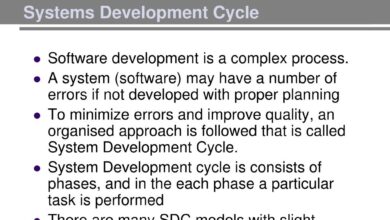
The system development life cycle (SDLC) is a framework used by software development teams to design, build, test, and deploy information systems. It provides a clear, step-by-step process that ensures quality, reduces risks, and aligns technical work with business goals. Whether you’re developing a mobile app or an enterprise resource planning (ERP) system, SDLC offers the blueprint for success.





Core Definition and Purpose
At its heart, the system development life cycle is a methodology that breaks down the software creation process into manageable phases. Each phase has specific goals, deliverables, and checkpoints. The main purpose is to produce high-quality systems that meet or exceed user expectations, are completed on time, and stay within budget.
- Ensures structured development
- Improves project predictability
- Facilitates team collaboration
- Reduces costly rework
“SDLC transforms chaos into clarity. Without it, software projects risk becoming unmanageable, over-budget, and off-target.” — TechProject Management Journal
Historical Evolution of SDLC
The concept of the system development life cycle emerged in the 1960s with the rise of large-scale business computing. Early systems were complex and required formal methods to manage development. The waterfall model, introduced by Dr. Winston W. Royce in 1970, became the first widely adopted SDLC framework.
Over the decades, SDLC evolved in response to changing technology and business needs. The 1980s saw the rise of iterative models, while the 2000s introduced agile methodologies. Today, hybrid models blend structure with flexibility, adapting the system development life cycle to fast-paced digital environments.
The 7 Key Stages of the System Development Life Cycle
A comprehensive understanding of the system development life cycle requires a deep dive into its seven core stages. Each stage plays a critical role in transforming a concept into a functional, reliable system. Skipping or rushing any phase can lead to defects, delays, or project failure.
1. Planning and Requirement Analysis
This is the foundation of the entire system development life cycle. During this phase, stakeholders—including clients, users, and developers—collaborate to define the project’s scope, objectives, and requirements. The goal is to answer the question: What problem are we solving?
Key activities include:
- Gathering functional and non-functional requirements
- Conducting feasibility studies (technical, economic, operational)
- Identifying risks and constraints
- Defining project timelines and budgets
A well-documented Software Requirements Specification (SRS) is typically produced at the end of this phase. This document becomes the reference point for all future development work.
According to the Software Engineering Institute at Carnegie Mellon University, projects that invest time in thorough requirement analysis are 50% more likely to succeed than those that don’t.
2. System Design
Once requirements are clear, the next stage in the system development life cycle is designing the system architecture. This phase translates user needs into technical specifications. Designers create blueprints that outline how the system will function, including data flow, user interfaces, and system components.
There are two main types of design:
- High-Level Design (HLD): Focuses on system architecture, module interactions, and technology stack.
- Low-Level Design (LLD): Details individual modules, database schemas, and code-level logic.
Design tools like UML (Unified Modeling Language) and ER diagrams are commonly used. A solid design reduces ambiguity, prevents scope creep, and ensures scalability.
3. Implementation (Coding)
This is where the actual development happens. Programmers write code based on the design documents. The system development life cycle now shifts from planning to creation. The choice of programming languages, frameworks, and tools depends on the system’s requirements and design.
Best practices during implementation include:
- Following coding standards
- Using version control systems (e.g., Git)
- Writing modular, reusable code
- Conducting peer code reviews
Modern development environments often use Integrated Development Environments (IDEs) and automated build tools to streamline the process. Continuous integration (CI) pipelines may also be set up during this phase to automate testing and deployment.
4. Testing
No system is ready for release without rigorous testing. This stage ensures that the software meets the specified requirements and is free of critical bugs. Testing is not a one-time event but a continuous process that often begins in parallel with coding.
Common testing types include:
- Unit Testing: Tests individual components or functions.
- Integration Testing: Checks how modules work together.
- System Testing: Evaluates the complete system against requirements.
- User Acceptance Testing (UAT): End-users validate the system in real-world scenarios.
Automated testing tools like Selenium, JUnit, and TestNG help improve coverage and efficiency. According to a report by Gartner, organizations that implement automated testing reduce defect rates by up to 40%.
5. Deployment
Once testing is complete and the system is approved, it’s time for deployment. This stage involves releasing the software into the production environment where users can access it. Deployment strategies vary based on risk tolerance and system complexity.
Popular deployment models include:
- Big Bang Deployment: The entire system goes live at once.
- Phased Deployment: The system is rolled out in stages.
- Parallel Deployment: Old and new systems run simultaneously during transition.
- Canary Release: A small group of users gets access first.
Effective deployment requires coordination between development, operations, and support teams. Tools like Docker, Kubernetes, and CI/CD pipelines (e.g., Jenkins) are often used to automate and monitor the process.
6. Operation and Maintenance
After deployment, the system enters the operational phase. This is often the longest stage in the system development life cycle. The focus shifts from building to sustaining. The system must be monitored, updated, and optimized to ensure reliability and performance.
Maintenance activities include:
- Fixing bugs reported by users
- Applying security patches
- Enhancing features based on feedback
- Scaling infrastructure to meet demand
Proactive monitoring tools (e.g., Nagios, Prometheus) help detect issues before they impact users. Regular maintenance prevents system degradation and extends the software’s lifespan.
7. Evaluation and Feedback Loop
The final stage of the system development life cycle is often overlooked but is crucial for continuous improvement. Evaluation involves assessing the system’s performance, user satisfaction, and alignment with business goals.
Key evaluation methods include:
- User surveys and feedback forms
- Performance metrics (e.g., uptime, response time)
- Cost-benefit analysis
- Post-implementation reviews (PIRs)
The insights gained feed into future iterations or new projects, closing the loop and reinforcing the cyclical nature of SDLC. As technology and user needs evolve, so must the systems that serve them.
Popular SDLC Models and Methodologies
While the stages of the system development life cycle remain consistent, the way teams navigate them can vary significantly. Different SDLC models offer distinct approaches to managing time, risk, and flexibility. Choosing the right model depends on project size, complexity, and stakeholder requirements.
Waterfall Model
The waterfall model is the oldest and most linear approach to the system development life cycle. Each phase must be completed before the next one begins, like water flowing down a series of steps. It’s highly structured and documentation-heavy.
Best suited for:
- Projects with well-defined, unchanging requirements
- Regulated industries (e.g., healthcare, finance)
- Small to medium-sized systems
Limitations include lack of flexibility and late testing, which can delay defect discovery.
Agile Model
The Agile model revolutionized the system development life cycle by introducing iterative, user-centric development. Instead of delivering one final product, Agile delivers working software in small increments called sprints (usually 2-4 weeks).
Key principles from the Agile Manifesto include:
- Individuals and interactions over processes and tools
- Working software over comprehensive documentation
- Customer collaboration over contract negotiation
- Responding to change over following a plan
Agile is ideal for dynamic environments where requirements evolve. Frameworks like Scrum and Kanban are widely used to implement Agile practices.
Iterative and Spiral Models
The iterative model builds the system in repeated cycles. Each iteration produces a working version of the software, which is refined over time. The spiral model combines iterative development with risk analysis, making it suitable for large, high-risk projects.
Advantages:
- Early delivery of partial functionality
- Continuous risk assessment
- Flexibility to adapt to changes
These models are often used in defense, aerospace, and enterprise software development.
DevOps Integration
DevOps is not a standalone SDLC model but a cultural and technical extension that bridges development and operations. It emphasizes automation, continuous delivery, and rapid feedback loops. When integrated into the system development life cycle, DevOps accelerates deployment and improves system reliability.
Key DevOps practices include:
- Continuous Integration (CI)
- Continuous Delivery/Deployment (CD)
- Infrastructure as Code (IaC)
- Monitoring and logging
According to Puppet’s State of DevOps Report, high-performing DevOps teams deploy code up to 208 times more frequently than low performers.
Benefits of Using the System Development Life Cycle
Implementing a structured system development life cycle offers numerous advantages for organizations of all sizes. It’s not just a technical process—it’s a strategic enabler that aligns IT with business objectives.
Improved Project Management
SDLC provides a clear roadmap with defined milestones, making it easier to plan, track, and control projects. Managers can allocate resources efficiently, set realistic deadlines, and monitor progress using tools like Gantt charts and burndown charts.
With each phase having specific deliverables, accountability is enhanced, and scope creep is minimized.
Higher Quality Deliverables
By enforcing systematic testing and review processes, the system development life cycle significantly improves software quality. Defects are identified and resolved early, reducing the cost of fixes. Studies show that fixing a bug in production can be 100 times more expensive than catching it during the design phase.
Quality assurance is embedded throughout the lifecycle, not tacked on at the end.
Cost and Time Efficiency
While SDLC may seem time-consuming upfront, it saves time and money in the long run. Clear requirements and design reduce rework. Automated testing and deployment minimize human error. Predictable workflows prevent costly delays.
Organizations using SDLC report up to 30% reduction in project overruns, according to a Standish Group CHAOS Report.
Challenges and Limitations of SDLC
Despite its many benefits, the system development life cycle is not without challenges. Misapplication or rigid adherence to models can lead to inefficiencies, especially in fast-moving environments.
Resistance to Change
Traditional SDLC models like Waterfall can be too rigid for projects where requirements change frequently. Teams may struggle to adapt when stakeholders request new features mid-project. This inflexibility can lead to dissatisfaction and project failure.
Solution: Adopt hybrid models that combine structure with agility, such as Agile-Waterfall blends.
Over-Reliance on Documentation
Some SDLC models emphasize extensive documentation, which can slow down development. While documentation is important, too much of it can become a burden rather than a help.
Best practice: Focus on just-enough documentation that supports understanding and compliance without stifling progress.
Integration with Modern Technologies
Emerging technologies like AI, cloud computing, and microservices require faster development cycles. Traditional SDLC may not keep pace without adaptation. For example, AI-driven systems need continuous learning and feedback, which challenges the linear nature of classic models.
Adaptation: Integrate CI/CD, MLOps, and automated testing to make SDLC more responsive.
Best Practices for Implementing SDLC
To get the most out of the system development life cycle, organizations should follow proven best practices that enhance efficiency, collaboration, and quality.
Engage Stakeholders Early and Often
Stakeholder involvement is critical throughout the system development life cycle. From requirement gathering to user acceptance testing, continuous engagement ensures the final product meets real user needs.
Tips:
- Hold regular review meetings
- Use prototypes to gather early feedback
- Document and confirm stakeholder sign-offs
Adopt Agile and DevOps Principles
Even if you’re not fully Agile, incorporating iterative development and automation can dramatically improve outcomes. Short feedback loops, continuous integration, and frequent releases help teams respond to change quickly.
Tools like Jira, GitLab, and Azure DevOps support these practices.
Invest in Training and Tools
People are the most important part of SDLC. Ensure your team has the skills and tools they need. Provide training in modern development practices, testing frameworks, and project management methodologies.
Equip teams with robust IDEs, version control, and monitoring tools to enhance productivity.
Future Trends in the System Development Life Cycle
The system development life cycle is not static. It continues to evolve in response to technological advancements and changing business demands. The future of SDLC is faster, smarter, and more automated.
Rise of AI and Machine Learning in SDLC
Artificial intelligence is beginning to play a role in every stage of the system development life cycle. AI-powered tools can analyze requirements, generate code, detect bugs, and even predict project risks.
Examples:
- GitHub Copilot for code suggestions
- AI-based test case generation
- Predictive analytics for project timelines
As AI matures, it will augment human developers, reducing manual effort and improving accuracy.
Low-Code and No-Code Platforms
These platforms allow non-developers to build applications using visual interfaces and pre-built components. While they don’t replace traditional SDLC, they introduce new workflows where citizen developers collaborate with IT teams.
Impact on SDLC:
- Accelerated development for simple applications
- New governance challenges
- Need for integration with existing systems
Platforms like Microsoft Power Apps and OutSystems are gaining traction in enterprise environments.
Increased Focus on Security (DevSecOps)
Security is no longer an afterthought. DevSecOps integrates security practices into every phase of the system development life cycle. Automated security scans, code analysis, and compliance checks are built into CI/CD pipelines.
Benefits:
- Early detection of vulnerabilities
- Reduced risk of data breaches
- Compliance with regulations (e.g., GDPR, HIPAA)
Organizations that adopt DevSecOps report 50% fewer security incidents, according to Synopsys.
Real-World Applications of SDLC
The system development life cycle isn’t just theoretical—it’s used in real-world projects across industries. From banking to healthcare, SDLC ensures systems are reliable, secure, and user-friendly.
Healthcare Systems
Hospitals use SDLC to develop Electronic Health Record (EHR) systems. These must comply with strict regulations like HIPAA. The waterfall model is often used due to its emphasis on documentation and traceability.
Example: The U.S. Department of Veterans Affairs used SDLC to implement the VistA EHR system, one of the largest in the world.
Banking and Financial Services
Banks rely on SDLC to build secure, high-availability systems for online banking, fraud detection, and transaction processing. Agile and DevOps are increasingly adopted to respond to market changes.
Example: JPMorgan Chase uses Agile SDLC to roll out new features in its mobile banking app every few weeks.
E-Commerce Platforms
Companies like Amazon and Shopify use iterative SDLC models to continuously improve their platforms. Frequent updates, A/B testing, and rapid deployment are key to staying competitive.
Example: Shopify’s development team uses a hybrid Agile model to deploy thousands of code changes daily.
What is the main goal of the system development life cycle?
The main goal of the system development life cycle is to produce high-quality software that meets user requirements, is delivered on time and within budget, and is maintainable over time. It provides a structured process to manage complexity and reduce risks.
Which SDLC model is best for a project with changing requirements?
The Agile model is best suited for projects with changing requirements. Its iterative nature allows teams to adapt quickly, incorporate feedback, and deliver value in small increments.
How does DevOps enhance the system development life cycle?
DevOps enhances SDLC by integrating development and operations, enabling continuous integration, delivery, and monitoring. This leads to faster deployments, improved collaboration, and higher system reliability.
Can SDLC be used for mobile app development?
Yes, SDLC is widely used in mobile app development. Teams use models like Agile to release frequent updates, conduct user testing, and respond to app store feedback.
Why is testing important in the system development life cycle?
Testing is crucial because it ensures the software works as intended, meets requirements, and is free of critical bugs. It helps prevent costly failures after deployment and builds user trust.
The system development life cycle is more than just a technical process—it’s a strategic framework that turns ideas into reliable, scalable systems. From planning to maintenance, each stage plays a vital role in delivering value. Whether you’re using Waterfall, Agile, or a hybrid model, following SDLC best practices leads to better outcomes, reduced risks, and satisfied users. As technology evolves, so too will the system development life cycle, embracing AI, automation, and faster delivery models. The future of software development is structured, collaborative, and continuously improving.
Further Reading: