Imagine your computer crashing at the worst possible moment—deadlines looming, files vanishing, and panic setting in. That’s where system recovery becomes your digital lifeline. It’s not just a fix; it’s a full restoration of stability, performance, and peace of mind.
What Is System Recovery and Why It Matters

System recovery refers to the process of restoring a computer system to a functional state after a failure, corruption, or crash. Whether due to malware, hardware issues, or accidental deletions, system recovery ensures that your operating environment returns to normal operation with minimal data loss.





Defining System Recovery in Modern Computing
In today’s digital landscape, system recovery is more than just rebooting a frozen machine. It encompasses a range of techniques—from booting into safe mode to restoring entire disk images. According to Microsoft, system recovery tools are built into most modern operating systems to help users recover from critical failures without requiring advanced technical knowledge (Microsoft Support).
- It can involve restoring the operating system, applications, and user data.
- Recovery may be initiated manually by the user or automatically by the system.
- The goal is always to return the system to a stable, usable condition.
Common Triggers for System Recovery
Several events can trigger the need for system recovery. These include:
- Operating System Crashes: Blue Screen of Death (BSOD) on Windows or kernel panics on macOS.
- Malware Infections: Ransomware or viruses that corrupt system files.
- Failed Updates: A Windows or macOS update that breaks functionality.
- Hardware Failures: Disk errors, RAM issues, or power surges.
- Accidental Deletions: Removing critical system files or registry entries.
“System recovery isn’t about preventing problems—it’s about ensuring survival when they happen.” — TechOps Journal, 2023
Types of System Recovery Methods
There are multiple approaches to system recovery, each suited for different scenarios. Understanding these types helps you choose the right method when disaster strikes.
System Restore (Windows)
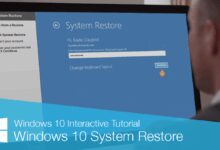
One of the most accessible tools in Windows is System Restore. This feature creates restore points—snapshots of system files, registry settings, and installed programs—at regular intervals or before major changes like software installations.
- Does not affect personal files like documents or photos.
- Can roll back driver updates or problematic software.
- Accessed via Control Panel or Recovery settings in Windows 10/11.
According to How-To Geek, System Restore is ideal for fixing issues caused by recent changes but won’t help if the hard drive fails completely (How-To Geek).
Time Machine (macOS)
Apple’s Time Machine is a comprehensive backup and recovery solution. When enabled, it continuously backs up your entire system—including apps, music, photos, and system files—to an external drive or network location.
- Allows full system restoration or file-level recovery.
- Can restore from any point in time, visualized in a timeline interface.
- Requires initial setup and compatible storage device.
Apple’s official documentation emphasizes that Time Machine is not just for recovery—it’s a proactive defense against data loss (Apple Support).
Bare Metal Recovery
This advanced method involves restoring an entire system—including the OS, applications, settings, and data—from a complete image backup. It’s often used in enterprise environments where downtime must be minimized.
- Requires disk imaging software like Acronis True Image or Macrium Reflect.
- Can restore to new hardware, even with different specifications.
- Time-consuming but offers maximum data integrity.
“Bare metal recovery is the gold standard for disaster recovery planning.” — Enterprise IT Today
Step-by-Step Guide to Performing System Recovery
Knowing how to execute a system recovery can save hours of frustration. Below is a detailed walkthrough for the most common operating systems.
Recovering a Windows PC Using Built-in Tools
Windows provides several recovery options through its Advanced Startup menu. Here’s how to access and use them:
- Restart your computer and hold Shift while clicking Restart.
- Go to Troubleshoot > Advanced Options.
- Choose from:
- System Restore: Roll back to a previous restore point.
- Startup Repair: Automatically fix boot issues.
- Command Prompt: Run manual repair commands like
sfc /scannow. - Reset This PC: Reinstall Windows while keeping or removing files.
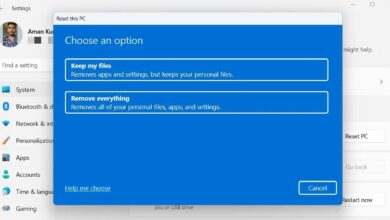
The Reset This PC option is particularly powerful. You can choose to keep your personal files while reinstalling the OS, making it ideal for resolving deep-seated software issues without losing photos or documents.
Using macOS Recovery Mode
If your Mac won’t start normally, Recovery Mode gives you access to essential tools:
- Shut down your Mac.
- Turn it on and immediately press and hold Command (⌘) + R.
- Release when you see the Apple logo or a spinning globe.
- Choose from:
- Restore From Time Machine Backup: Full system recovery.
- Reinstall macOS: Fresh install without affecting user data.
- Get Help Online: Access Safari for troubleshooting guides.
- Disk Utility: Repair disk permissions or erase drives.
Note: If you’re using macOS Recovery over the internet (Option + Command + R), it may take longer but ensures you get the latest compatible version of macOS.
Linux System Recovery with Live USB
Linux users often rely on live USB environments for recovery. Tools like Ubuntu Live USB or SystemRescue allow you to boot into a temporary OS and perform repairs.
- Mount the corrupted system partition.
- Repair GRUB bootloader using
grub-installandupdate-grub. - Recover files using file managers or command-line tools like
rsync. - Use
fsckto check and repair filesystem errors.
Linux recovery is highly flexible but requires comfort with the terminal. The Arch Wiki maintains one of the most detailed recovery guides available (Arch Wiki).
Essential Tools for Effective System Recovery
While built-in tools are helpful, third-party software often provides more robust and user-friendly recovery options.
Acronis True Image
Acronis True Image is a premium backup and recovery suite that supports full disk imaging, cloud storage integration, and ransomware protection.
- Creates exact copies of your drive, including OS and partitions.
- Allows recovery to dissimilar hardware.
- Includes active protection against crypto-malware.
It’s widely used in both home and business environments for its reliability and ease of use.
Macrium Reflect
Macrium Reflect offers free and paid versions, making it accessible for personal use. It excels in creating bootable rescue media and scheduling automated backups.
- Supports incremental and differential backups to save space.
- Can restore individual files from image backups.
- Integrates with Windows Task Scheduler for automation.
Many IT professionals consider Macrium Reflect the best free disk imaging tool available (Macrium Official Site).
Clonezilla
Clonezilla is an open-source alternative to commercial imaging tools. It’s powerful but has a steeper learning curve.
- Supports mass deployment across multiple machines.
- Can clone drives or perform bare-metal restores.
- Runs from a live CD/USB environment.
It’s especially popular in educational institutions and tech labs due to its zero cost and flexibility.
Cloud-Based System Recovery Solutions
As internet speeds improve and cloud storage becomes more affordable, cloud-based recovery is gaining traction.
Microsoft OneDrive & File History
While not a full system recovery tool, OneDrive combined with File History can protect personal files. If your system crashes, you can reinstall Windows and sync your files back from the cloud.
- Automatic versioning keeps older copies of files.
- Files deleted on the PC can be restored from the OneDrive recycle bin.
- Limited to file-level recovery, not system state.
For businesses, Microsoft 365 includes additional recovery features like mailbox restoration and SharePoint version history.
Google Workspace Recovery Tools
Google Workspace Admins can restore user data—including emails, Drive files, and calendar events—for up to 25 days after deletion.
- Admin-level recovery prevents permanent data loss.
- Does not cover local machine state but protects cloud assets.
- Integration with third-party tools like SpinOne enhances recovery capabilities.
Google’s recovery window is limited, so regular backups are still recommended.
Backblaze and CrashPlan
These services offer continuous, automated backups to the cloud. Backblaze, for example, backs up all your files—including system state in its newer plans—and allows full system recovery via downloadable image or shipped hard drive.
- Unlimited storage for a flat monthly fee.
- Bootable recovery USB creation.
- Recovery time depends on internet speed or physical media delivery.
Backblaze is often praised for its simplicity and reliability (Backblaze Blog).
Preventing the Need for System Recovery
The best recovery strategy is one you never have to use. Proactive measures can drastically reduce the likelihood of system failure.
Regular Backups: The First Line of Defense
Whether using external drives or cloud services, consistent backups are non-negotiable. The 3-2-1 rule is a best practice:
- 3 copies of your data (original + 2 backups).
- 2 different media (e.g., SSD and cloud).
- 1 offsite copy (e.g., cloud or remote drive).
This ensures redundancy and protection against physical disasters like fire or theft.
Keeping Software and Drivers Updated
Outdated software is a common cause of system instability. Regular updates patch security holes and improve compatibility.
- Enable automatic updates for your OS and antivirus.
- Use tools like Snappy Driver Installer or Driver Booster cautiously—only from trusted sources.
- Avoid installing beta software on primary machines.
According to a 2023 report by Kaspersky, 68% of malware exploits target unpatched vulnerabilities (Kaspersky Lab).
Using Antivirus and Anti-Malware Tools
Malware remains a leading cause of system corruption. A robust security suite can prevent infections before they trigger the need for system recovery.
- Windows Defender (now Microsoft Defender) is effective and free.
- Supplement with Malwarebytes for on-demand scans.
- Enable real-time protection and firewall monitoring.
“An ounce of prevention is worth a pound of cure—especially in system recovery.” — Cybersecurity Today
System Recovery in Enterprise Environments
For businesses, system recovery isn’t just about one machine—it’s about minimizing downtime across an entire network.
Disaster Recovery Plans (DRP)
A formal DRP outlines procedures for responding to system failures, data breaches, or natural disasters. Key components include:
- RTO (Recovery Time Objective): How quickly systems must be restored.
- RPO (Recovery Point Objective): Maximum acceptable data loss (e.g., 1 hour of data).
- Roles and responsibilities during a crisis.
- Testing schedules for recovery procedures.
Organizations like NIST provide frameworks for developing effective DRPs (NIST Cybersecurity Framework).
Virtual Machine Snapshots
In virtualized environments (VMware, Hyper-V), snapshots capture the entire state of a virtual machine at a point in time. These can be rolled back instantly, making them ideal for testing or recovery.
- Fast restoration—often within seconds.
- Can be automated before updates or patches.
- Storage-intensive if kept long-term.
However, snapshots are not backups—they should be used in conjunction with traditional backup methods.
Network-Based Recovery Solutions
Enterprises often deploy centralized recovery servers that allow administrators to push system images to multiple machines simultaneously.
- Windows Deployment Services (WDS) enables PXE booting and OS deployment.
- Solutions like Symantec Ghost or FOG Project offer open-source alternatives.
- Reduces recovery time from hours to minutes per machine.
These tools are essential for maintaining uptime in large-scale IT operations.
Emerging Trends in System Recovery Technology
As technology evolves, so do the methods and tools for system recovery.
AI-Powered Recovery Diagnostics
Artificial intelligence is being integrated into recovery tools to predict failures and suggest optimal recovery paths.
- AI analyzes system logs to detect anomalies before crashes occur.
- Tools like IBM Watson AIOps assist in root cause analysis.
- Reduces manual troubleshooting time significantly.
While still in early adoption, AI-driven recovery is expected to become standard in enterprise IT by 2026.
Blockchain for Recovery Integrity
Some startups are exploring blockchain to verify the authenticity of backup files, ensuring they haven’t been tampered with by malware.
- Each backup is hashed and recorded on a distributed ledger.
- Provides cryptographic proof of data integrity.
- Still experimental but promising for high-security environments.
Edge Computing and Localized Recovery
With the rise of edge devices (IoT, smart appliances), localized recovery is becoming crucial. These devices often operate offline, requiring self-contained recovery mechanisms.
- Firmware rollback features allow devices to revert to stable versions.
- On-device recovery partitions store minimal OS images.
- Reduces dependency on cloud connectivity.
This trend is reshaping how we think about system recovery beyond traditional PCs and servers.
What is system recovery?
System recovery is the process of restoring a computer system to a working state after a failure. This can involve repairing the operating system, restoring files, or reinstalling the OS while preserving user data.
How do I perform system recovery on Windows 10?
Restart your PC, hold Shift while selecting Restart, then go to Troubleshoot > Advanced Options. From there, you can use System Restore, Startup Repair, or Reset This PC to recover your system.
Does system recovery delete my personal files?
It depends on the method. System Restore does not delete personal files. However, choosing ‘Remove everything’ in Reset This PC will erase all data. Always back up important files before recovery.
Can I recover a system without a backup?
Yes, but options are limited. You can try built-in repair tools, boot from a recovery drive, or reinstall the OS. However, without a backup, data recovery is not guaranteed.
What is the difference between backup and system recovery?
A backup is a copy of your data or system. System recovery is the process of using that backup (or other tools) to restore functionality after a failure. Backup is preventive; recovery is reactive.
System recovery is an essential skill in our digital age. From simple file restoration to full bare-metal recovery, the tools and techniques available today make it possible to bounce back from almost any technical disaster. By understanding the types of recovery, using the right tools, and implementing preventive strategies, you can protect your data and maintain productivity. Whether you’re a home user or an IT professional, mastering system recovery isn’t just smart—it’s necessary.
Further Reading: